Buying guide
Tea Tree Oil Buying Guide: What to Check
Compare tea tree oil labels, intended uses, supplier information, and the limits of product claims.
As an Amazon Associate I earn from qualifying purchases. Shopping links may earn us a commission at no extra cost to you. How affiliate links work.
On this page
A good tea tree oil buying decision starts with the label and your intended use, rather than a claim that one bottle treats everything. This guide explains how to compare products without treating a seller's marketing as clinical evidence.
Concentrated oil or finished product?
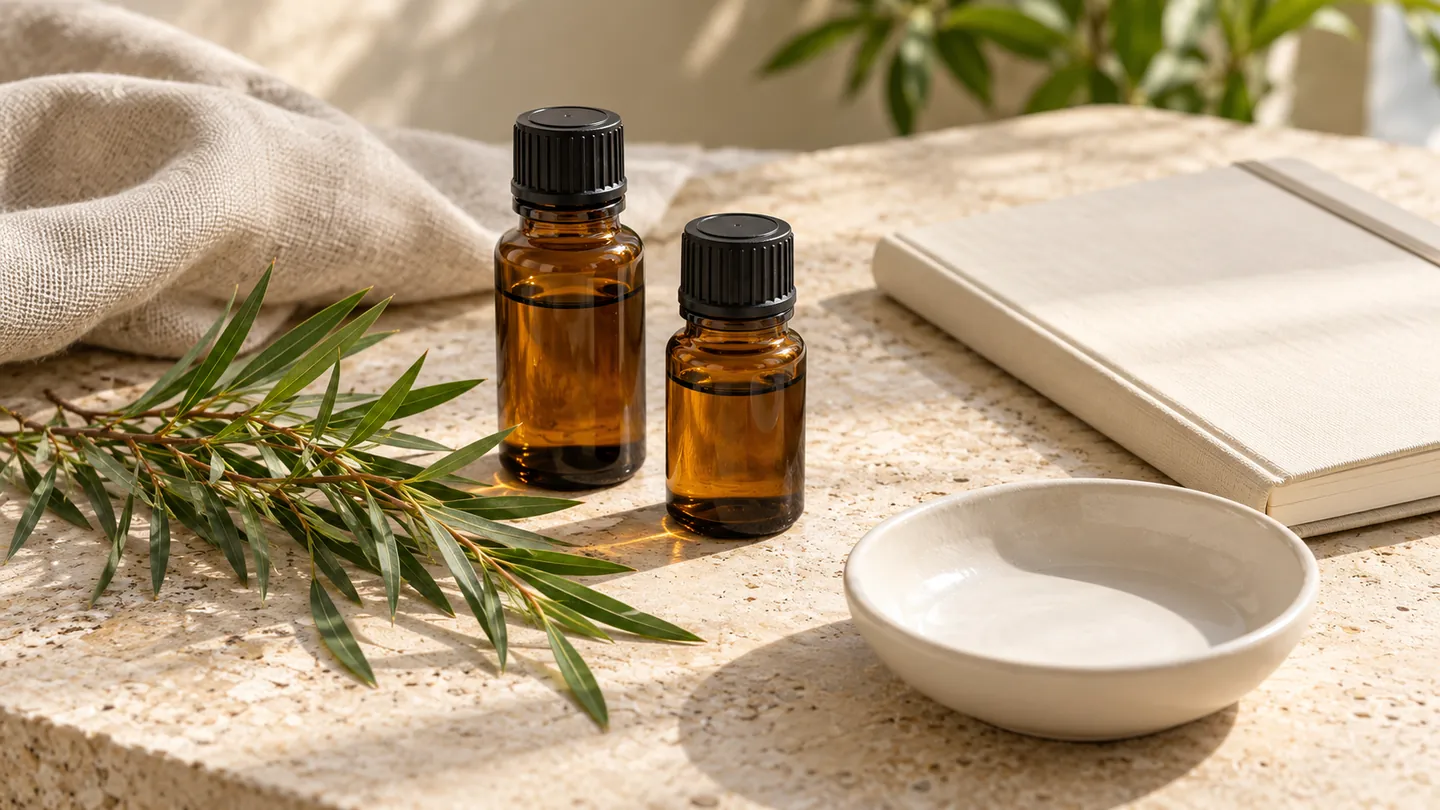
A bottle of concentrated tea tree essential oil and a formulated face wash are not interchangeable. The finished product has other ingredients and directions for a particular use; the bottle of concentrate needs to be assessed differently. Start by deciding which of those products you actually want.
For skin concerns, do not assume that a larger or more concentrated bottle is a stronger version of a finished skincare product. Read the full directions and seek qualified advice if you are trying to manage a medical condition.
What should the listing identify?
Look for Melaleuca alternifolia, the ingredients, bottle size, intended use, supplier details, and storage instructions. If the product is diluted, the carrier and concentration should be clear. Check that the listing title, ingredient panel, and bottle photograph describe the same item.
The older version of this page compared ArtNaturals, Majestic Pure, and Radha products with dated rankings. Those rankings are no longer the basis of this guide. We have not independently tested their current batches, and a brand name alone does not establish the composition of every product it sells.
Evidence matters more than an all-purpose claim
NCCIH describes limited evidence for topical tea tree oil in acne and athlete's foot, with more research needed. That does not justify calling an undiluted retail bottle a cure for infections. Tea tree oil should not be swallowed. Read the evidence summary.
Compare products using the same questions
| Question | More useful information | Reason to pause |
|---|---|---|
| What is in the bottle? | Clear botanical identity and ingredients. | Different ingredients in the title and label. |
| What is it for? | Specific directions and cautions. | A broad promise to treat unrelated conditions. |
| Can you identify the batch? | A readable batch reference and responsive supplier. | A generic purity claim with no product-specific detail. |
| How much do you need? | A size you can store and use as directed. | Buying a large bottle only because the unit price looks lower. |
Where to browse
Search Amazon for tea tree oil. Inspect the exact listing and seller. Search results may include blends, skincare products, and products with claims we do not endorse.
A low price, a star rating, or the phrase “therapeutic grade” is not a substitute for the information above. We do not reproduce Amazon ratings or claim to have measured purity.
Keep the comparison useful after purchase
Retain the label and purchase details. Follow the product's storage advice, keep it out of reach of children, and do not move it into an unlabelled container. For a focused list to use while shopping, see our tea tree label and storage checklist.
Sources and approach
This is a research-based buyer's guide, not a laboratory ranking. Sources: NCCIH tea tree oil and FDA aromatherapy guidance. For uses and limitations, read the separate tea tree evidence guide.