Oil ingredients
How to Check Where Squalane Oil Comes From
Find the maker’s sourcing statement when a squalane ingredient list leaves the olive or sugarcane source unclear.
On this page
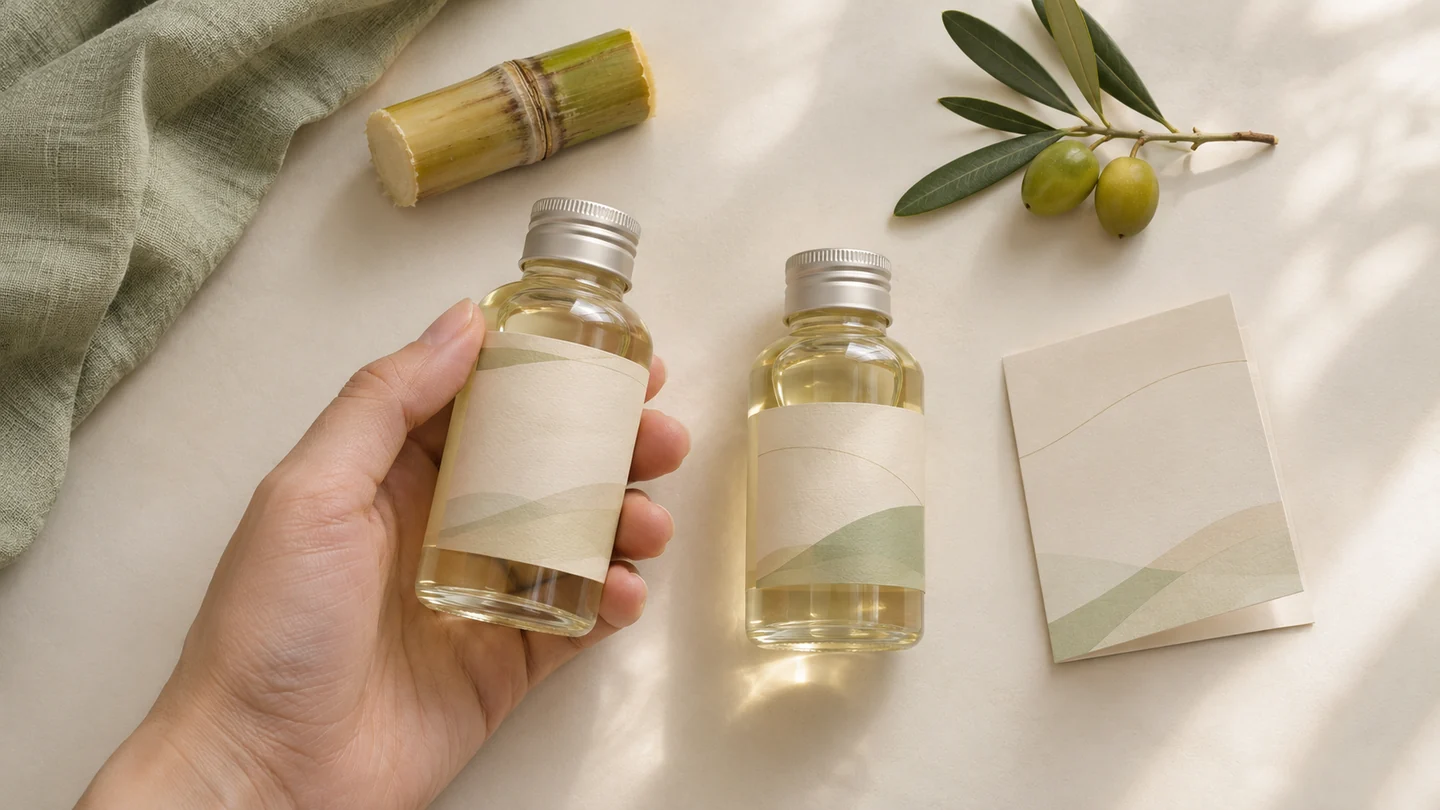
The ingredient name Squalane alone leaves its source unclear. Olive-derived and sugarcane-derived materials can both use that name. If you want a particular source, look for a statement from the maker tied to the exact product, alongside its full ingredient list. Sophim’s olive squalane specification · The Ordinary’s squalane ingredient list and source statement
Read the ingredients and the sourcing statement together
The Ordinary’s U.S. page for 100% Plant-Derived Squalane lists a single ingredient, Squalane. Its product description separately identifies sugar cane as the source. The ingredient list tells you what the formulation contains. The description supplies the plant source. The company also says formulations can change and that the online list may differ from the box by time or region, making the package worth checking when you buy. The Ordinary’s product details
Biossance takes a similar approach with its 100% Squalane Oil. The maker describes it as a single-ingredient product and names sugarcane in the ingredients section and sourcing explanation. These two examples show where a brand may put the answer, even when it is absent from the ingredient name itself. Biossance’s ingredient and sourcing details
Read the full panel even if the front label highlights squalane. If other ingredients appear, include those in your comparison of the complete product. Our guide to vitamin E oil ingredient lists explains the same distinction between a named ingredient and the contents of a finished bottle.
An olive source can carry the same name
Sophim supplies an ingredient called Phytosqualan Olive. Its page identifies Squalane as the ingredient and describes production from olive oil by-products, including hydrogenation of the starting squalene. The source information comes from the supplier’s documentation. You would still need a finished-product maker’s statement to connect that source to a particular retail bottle. Sophim’s Phytosqualan Olive documentation
If your preference is specifically for olive or sugarcane, a broad “plant-derived” statement leaves that choice open. Ask which plant source applies to the product you are ordering. Keep the answer with the product name, size and market so you can check it again when buying a replacement.
Check the spelling when matching a bottle
Look closely at squalane and squalene. Sophim’s process description uses both names because it describes hydrogenation of squalene to make its squalane ingredient. Copy the ingredient name from the old package when looking for a replacement, and compare it with the new panel. Sophim’s process description
For a purchase based on source, check three things together: the full ingredient panel, the maker’s stated plant source and the exact product that statement covers. If you are also comparing botanical oils, our refined and unrefined jojoba guide shows how processing information adds detail beyond a plant name.